
Viridescent vixen
The wild belongs to everyone.
Natural Botanical Scents
We make botanical scents from living things.
No synthetics, no secrets.
Read about our philosophy to learn more.
Current Collection
Vivid Vignettes
Our debut collection — each scent a clear moment; a place, a feeling, an hour of the day — built only from what belongs.
available in:
10ml oil roll-ons with 1ml roll-on samples
30 ml organic alcohol sprays with 5 ml samples
Visit us in person at an event or contact us directly to order!
soliflores
Terroir Comparisons
Single-flower portraits.
One material, honestly presented.
Direct comparison of the same material from different locations,
climates, and processing steps.
Who We Are
Born in Vermont, Viridescent Vixen creates botanical scents built from natural materials, careful formulation, and a deep love of the living world.

Philosophy
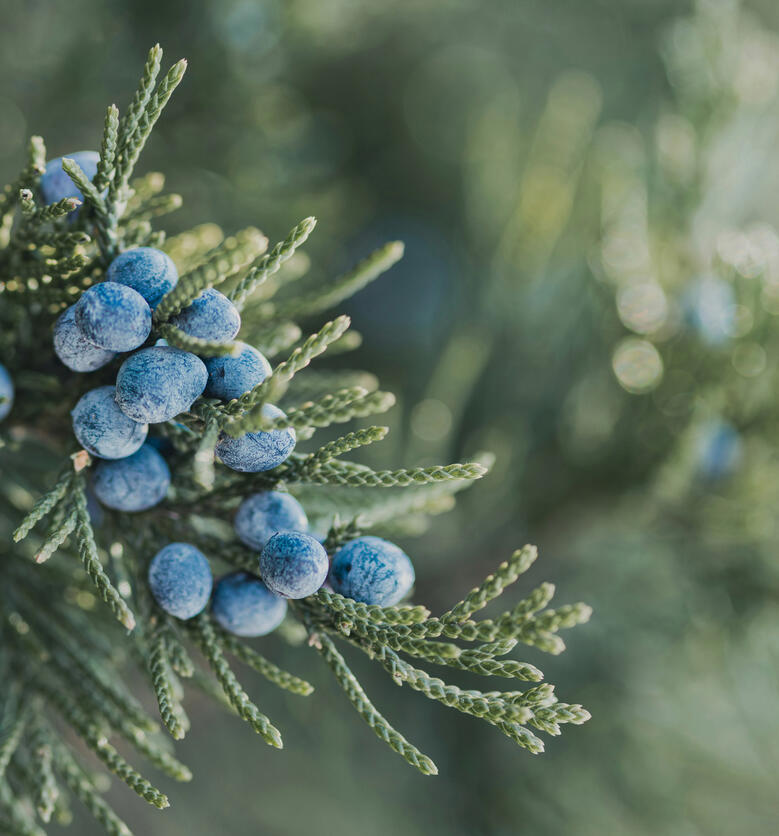
We work exclusively with botanical and naturally derived aromatic materials. For our scents we use a dual format approach; an oil base for more intimate, personal wear and an organic, chemical free alcohol base for a more traditional spray without the harshness of normal sprays.
Oil carries the scent closer to the wearer, evolving on the skin rather than projecting away from it. It belongs to the person wearing it, unless they invite you in.Our organic alcohol sprays have more projection and diffusion, without the strong alcohol smell from cheap denatured alcohols and no drying or stinging for your skin.The same scent can be a very different experience depending on the format.
Natural botanical perfumery is demanding. Some materials are expensive and rare. Some are seasonal and variable. Some require careful handling.We work within these constraints because they are also the point — every material came from somewhere, grew in particular soil, was taken from a living thing. That specificity is what makes a true scent.
Every scent is made in small batches. This is not a marketing choice — it is the honest reality of working with natural materials that vary by harvest, respond to temperature, and deserve attention at every stage.Small batch means we can stand behind every bottle.
Botanical perfumery draws on aromatic materials taken directly from the living world: flowers, leaves, roots, resins, woods, mosses, and tinctures. Not essential oils alone — the full range of what plants yield when handled with care, including absolutes, CO² extracts, and naturally derived isolates.That breadth is part of what makes these scents possible
Material Ethics
Viridescent Vixen is built from botanical aromatics and naturally derived materials originating in living plants.We work with essential oils, absolutes, CO² extracts, resins, and naturally derived aromatic isolates, all selected for their ability to express plant character, place, and season with clarity and integrity.
Our process is grounded in extraction and refinement rather than synthetic fragrance construction, preserving botanical origin while allowing each material to evolve on skin.We do not use synthetic fragrance compounds; our work remains rooted in plant-derived aromatics shaped through composition rather than synthetic creation.
We list every ingredient. The fragrance industry standard of declaring only ‘fragrance’ or ‘parfum’ on a label exists to protect proprietary formulas — to hide what’s actually in the bottle. We don’t do that.
Every material in every scent is fully disclosed on the accompanying ingredient card, because you have a right to know what you’re putting on your skin.
The brand takes its name from viridescent — becoming or being green.
Made in Vermont, from materials drawn from the living world, with care for what they are and where they came from.
current collection
- Vivid Vignettes -
Each scent in Vivid Vignettes captures a focused botanical impression — a feeling, a texture, a place, or a brief sensory scene. Composed with restraint, every material earns its place: enough to make the scent feel clear, complete, and beautiful on skin. As our introductory collection, Vivid Vignettes is designed to be approachable, accessible, and fully itself.
— Light · Fresh · Green —
· Awaken ·Morning light. Bright and citrus-forward, the day just beginning. Cedrat and Sweet Orange opens sweet and clear — delicious sweetness paired with the sweet orange's juicy richness . Palmarosa and Ho Wood meets it in the heart: sweet and rosy-floral, grounding the citrus without softening it. Cedar and Cabrueva Wood hold it steady beneath, accompanying you through the day.· Clearing ·Forest edge. Cool and open, the trees behind and sky ahead. Lavender as open air opens onto Hinoki Wood — the cold, misty character of Japanese cedar after rainfall. Fractionated Vetiver grounds it in wet stone and moss.· Stem ·Green and cut. The botanical before it blooms. Galbanum with a touch of natural Cis 3 Hexanol at their most literal — the sharp bright green of a cut stem with Petitgrain to accent it. Linden Blossom comes in creamy and honey-green, the bloom the stem is becoming, not yet open. Settles onto the woody stem with Hiba, Cedar, and Cabrueva woods.
— Warm · Amber · Woody —
· Hush ·Chamomile tea, honeyed warmth, and quiet ease. Roman and Blue chamomile blend into a soft herbal heart — familiar at first, then Rooibos and Hay Absolute make it richer than expected. Ho Wood and Petitgrain Bergamotier give it lift and Beeswax and Benzoin settle underneath like warmth held in the cup, giving the scent body without raising its voice.· Enduring ·Frankincense and Elemi open bright and resinous, the same resins burned and worn since before written history. Rose absolute sits at the heart — the single most enduring material in perfumery, prized in every era that has ever made scent. Spikenard runs beneath it, deep and earthy, a root note valued in the ancient world and still here today. Sandalwood settles into the base, warm and long-familiar, a timeless classic. Labdanum close it softly, warm and balsamic.· Haven ·Warm spice and sweet wood. The interior. Safe and present. Cardamom opens warmly and steps back. Mace takes the heart — not sharp, but close and enveloping, the kind of warmth that belongs indoors. Red champaca truabs and Osmanthus sur Gurjun deepen it: exotic without announcing itself, honeyed and resinous, a sweetness that feels lived-in rather than light. Cedarwood Virginia and Benzoin Siam settle beneath it all, walls and the amber glow within them
— Rich · Floral · Heady —
· Ripen ·Warm fruit. Sun-drenched. The sweetness of late summer. Blood orange opens juicy and warm, giving the Davana something to bloom out of. Davana is a complex center: warm, exotic, fruity, shifting on skin chemistry in a way that makes each wearing slightly different. Tonka anchors it beneath — sweet hay and coumarinic warmth, summer
meadow warmth lingering through the day.· Flush ·The flush of a person, heated and human, and the flush of a flower at its most alive — Pink pepper and White Grapefruit meet Elemi and Ginger CO2 to open with a bright rush of freshness and a gentle warmth.
Rose sits rich at the heart, joined by Egyptian Geranium 's green vitality and Rhodinol 's lift. Linden Blossom and Magnolia soften the edges without lifting the weight. Ambretteand Beeswax settle beneath it all, warm and softly diffusive, holding the glow long after the rest has quieted. Flush is both floral and human at once.· Linger ·A tropical garden after dark, when the heat mellows and nothing moves. Bergamot and Petitgrain open, your entry to the garden. Jasmine sambac and Osmanthe sur gurjun sit rich and heady at the center, Cananga and a touch of benzyl acetate deepening the bloom without lifting it. Magnolia softens the edges of the transition. Benzoin, labdanum, and vanilla pool into the base, warm humid air with nowhere to go.
The Maker
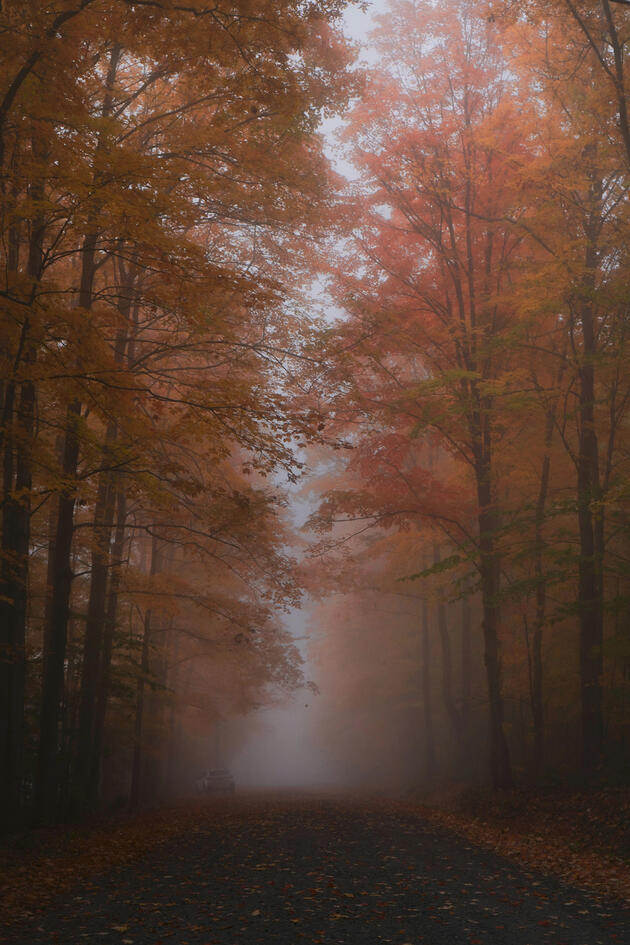
Viridescent Vixen is made in Vermont on the farm where its founder grew up. Raised on a dairy farm and shaped by nearly two decades working with horses, the work grew from a life spent close to grass and orchard, forest and lake, hay and leather — and the four seasons that remake the smell of all of it.
Years spent living across the country and time in Mexico expanded that foundation — through high desert, cold salt shorelines, rain-soaked evergreens, tropical jungle, and the Caribbean coast — building a broader sensory
vocabulary of places that now shape the perfumes made here.
The Why
After transitioning away from an outdoor career — made necessary by the accumulating toll of years of physical work — an unexpected absence set in. The daily contact with the natural world that had always been woven into every day of that life was suddenly gone. Commercial fragrances brought headaches where botanical materials didn’t, which pointed toward naturals. Looking into natural perfumery opened something unexpected — not just a way to wear scent without consequence, but a way to reach for place and remembrance. The smell of a forest floor, a salt shoreline, a field after rain. Memory and imagination rendered in living materials. That interest turned to passion, and that passion turned into Viridescent Vixen.
soliflores
A soliflore is built around a single botanical material — one flower, presented as clearly and truthfully as possible. A small number of supporting materials may be present, but their only job is to help the featured flower speak. Nothing competes. Nothing distracts.
The same flower grown in different soil, in a different climate, harvested at a different time, produces a genuinely different scent.
Bulgarian rose is not Moroccan rose. Italian lavender is not English lavender. These aren’t marketing distinctions — they’re botanical fact.
Soliflores makes that visible. You smell the same plant from two different places and understand immediately that place is an ingredient.
We are beginning with the flowers that reward this kind of attention: rose in its regional variations, lavender across its different terroirs, and chamomile in the stark contrast between its two main species.
The soliflore range will grow as the material library grows.
· Rose ·
Rosa damascena · Three origins, three characters
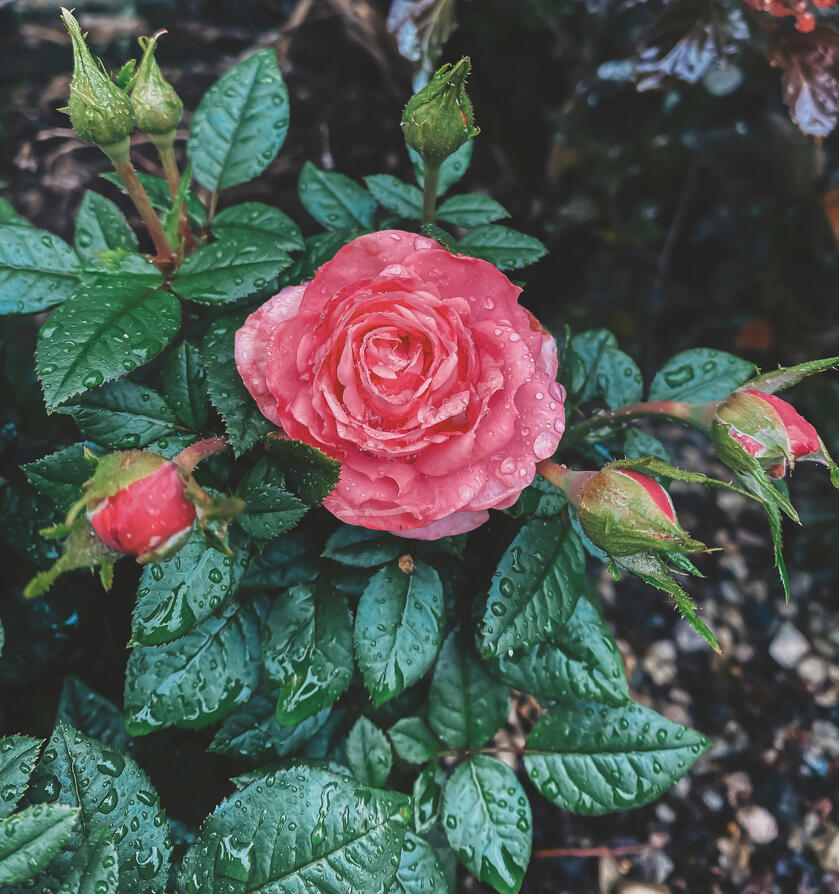
Bulgarian rose absolute is the classic — deep, rich, honeyed, the rose most people picture when they close their eyes.
Moroccan rose absolute from the Dades Valley runs warmer and more animalitic, with a darker, earthier register underneath the floral.
Centifolia, the cabbage rose grown in Grasse, is softer and more diffuse, closer to the living flower and less concentrated than the others.
Three expressions of the same species, each one unmistakably itself.Rose absolute is one of the most potent and carefully handled materials in natural perfumery — the very potency that makes it precious is the same quality that limits how much can be used safely. That restriction is not a compromise. It is confirmation that the material is real.
· Lavender ·
Lavandula angustifolia and hybrids · Altitude, climate, character
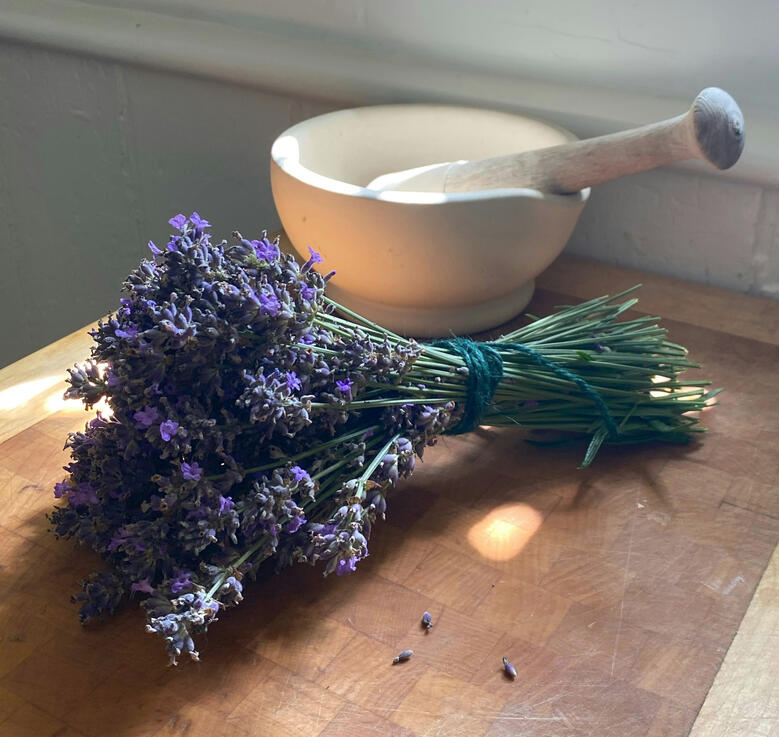
Balkan lavender grown at high altitude carries a bright, almost camphorous clarity that lower-altitude varieties don’t.
English lavender is rounder and more herbaceous, the classic garden scent, cooler and more restrained.
Diva Lavender offers a clean, pure floral scent without the earthier aspects of many other lavenders.
The same plant, shaped entirely by where it grew. Each soliflores in the lavender range presents one origin, supported only by what it needs to carry cleanly on skin.
· Chamomile ·
Roman and Blue · Two species, startlingly different
Roman chamomile and blue chamomile are related but not the same. Roman is apple-sweet, soft, immediately familiar.
Blue chamomile — properly German chamomile, named for the deep indigo colour produced by its
chamazulene content — carries a deeper, slightly bitter quality alongside the sweetness, and its colour on skin is proof of the material’s origin.
A soliflore built around each makes the contrast unmissable.
contact us
Understanding Natural Perfumes
Every batch is a vintageA rose absolute pulled from this year's harvest will never smell exactly like the one before it. Weather, soil, timing of harvest, even the particular week the flowers were picked — all of it shows up in the oil. Large fragrance houses build around synthetic molecules precisely because they don't vary; a bottle bought today has to match a bottle bought five years from now, no matter what the actual growing season looked like.We don't work that way. Every Viridescent Vixen scent is built from real plant material, so it carries the same variability a good wine or a good cup of coffee does. If a formula shifts slightly from one small batch to the next, that's not an inconsistency to apologize for — it's the material telling you it's real. Think of each bottle as a vintage, not a print run.
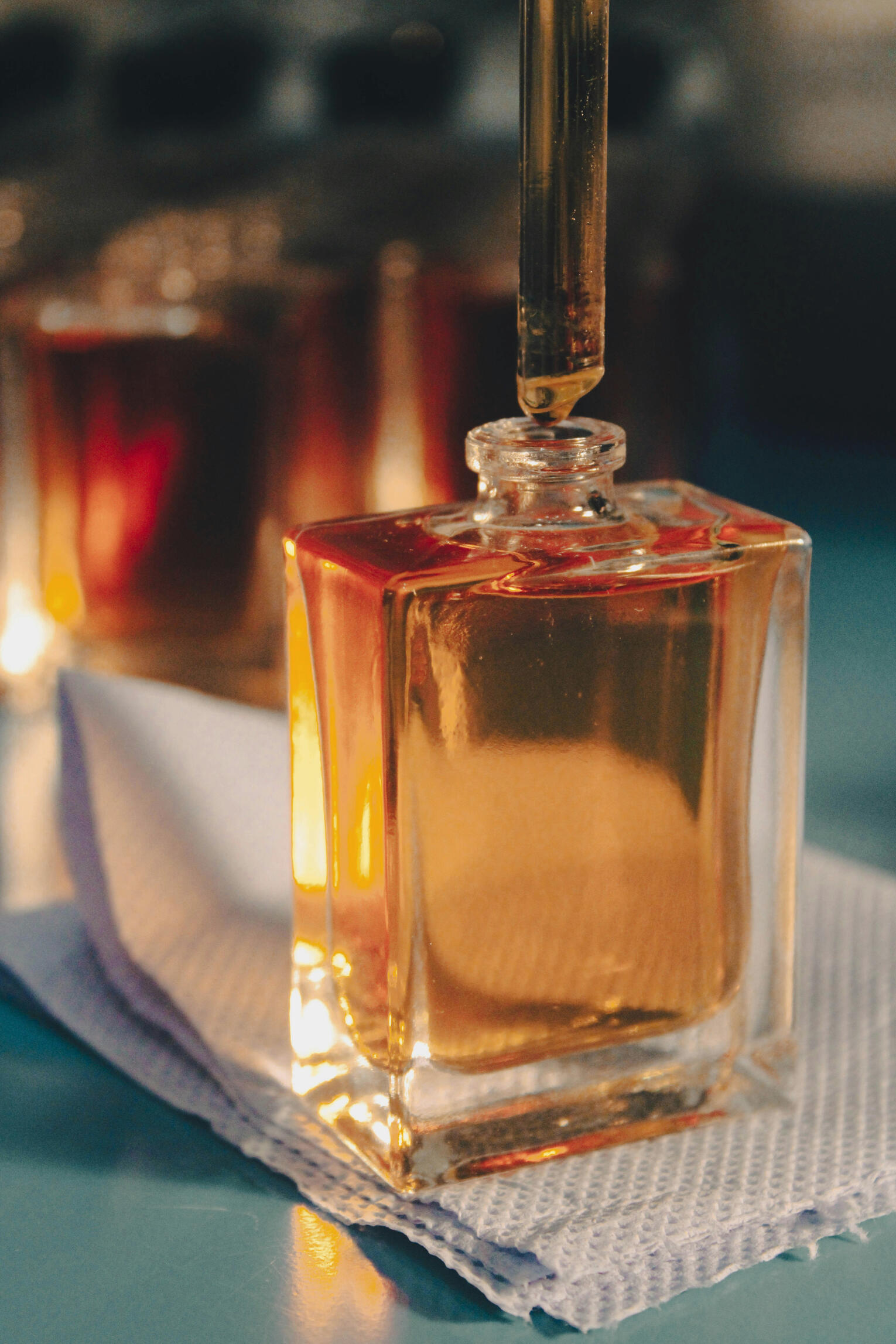
Why are natural perfumes so expensive?The materials used to create these, are more expensive. Many utilize beautiful rare natural extracts that are costly and difficult to source. Rose oil (for example) is currently priced at around $700 for 1 ounce, for the more affordable options, not the most rare versions. Unlike the mainstream perfume industry-which spends more on advertising than on the actual perfume-natural perfumers spend most of their budget on obtaining these incredible essences.Naturals unfold over timeBotanical oils are chemically complex — a single absolute can carry hundreds of naturally occurring compounds — and they evaporate at different rates. The result is a scent that genuinely changes character as it wears: a bright opening can give way to something warmer and quieter an hour in, and something different again by evening.That means a first impression on a blotter or a hurried spritz at a market table isn't the whole story. Give a natural perfume real time on skin — an hour, ideally longer — before deciding what you think of it. This is also why we always recommend trying samples before committing to a full bottle unless you already know what naturals you love.
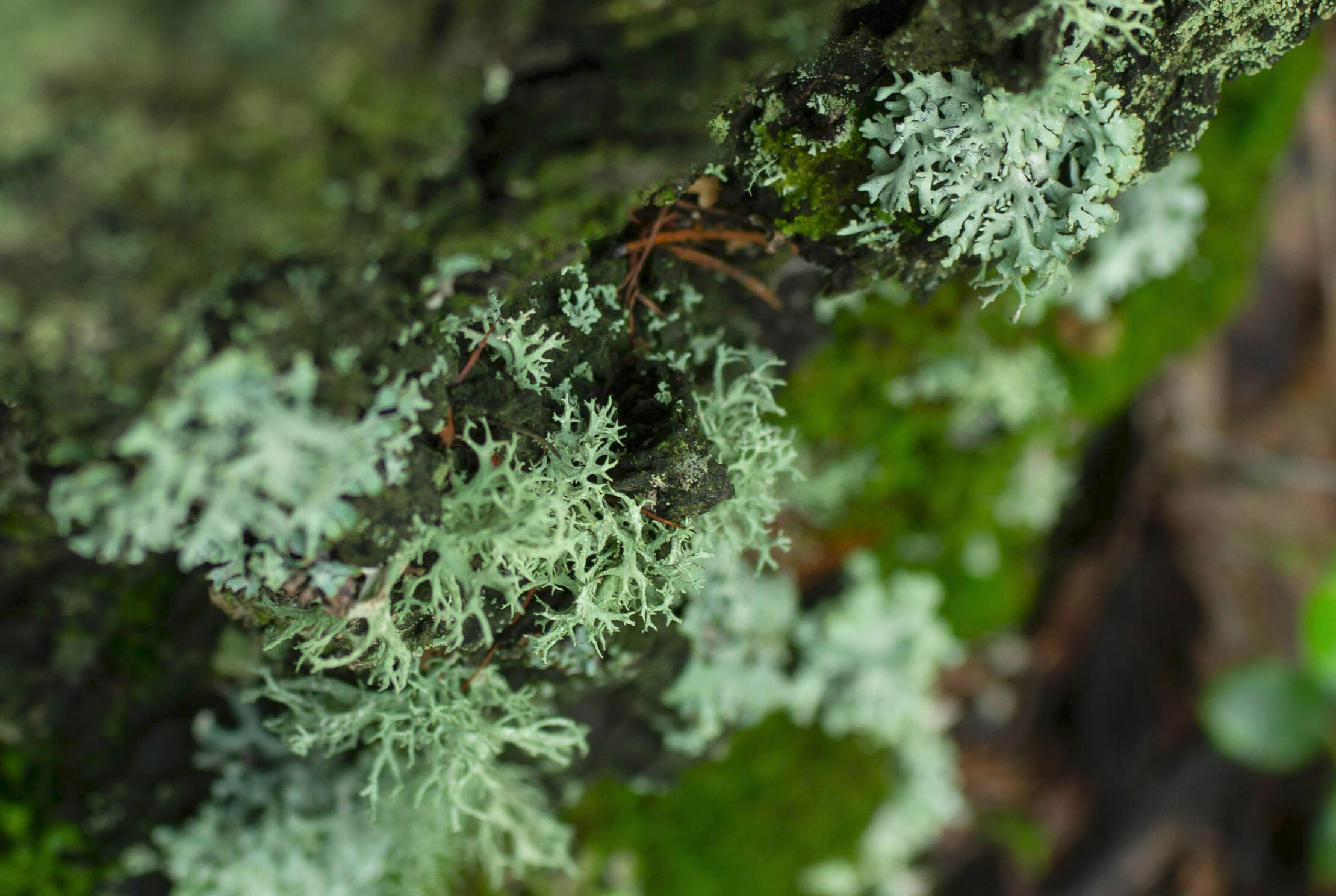
What a "note" actually meansWhen we say a scent has jasmine or linden blossom in it, we mean it as an honest description of what's actually in the bottle — that's the whole premise behind no synthetics, no secrets. But a couple of things are worth knowing about how "notes" work in any perfume, natural or not:Not every material we list will be something you consciously smell. Some materials are there to shape or support the composition — adding depth, roundness, or lift — without announcing themselves individually. That's not us hiding something; it's how blending works.Some effects are simply harder to achieve with plants alone. A crystalline, sparkling citrus top note or a very light, airy white-floral effect is more elusive in natural perfumery than in synthetic — citrus oils in particular are volatile and fade faster on skin than a synthetic fixative would allow. When one of our scents leans warmer or more grounded than you expected, that's often the botanical palette at work.

How to wear it bestA few things that make a real difference with botanical perfumes:
Pulse points, not just wrists. Warmth drives diffusion. Inner wrists, inner elbow, the side of the neck, and behind the ear all work well. Feel free to experiment! I often like to use the tops of my hands against convention. Find what works best for you and the scent.
Let it warm up before you judge it. Straight out of the bottle, natural perfumes can feel muted compared to synthetic. Give it a minute or two of skin contact to start diffusing.
Reapply through the day. Natural perfumes, oil-based in particular, tend to sit close to the skin — that's part of their character — so reapplying through the day usually serves you better than an overly heavy hand at the start. But if you want a stronger scent to start, apply along more skin/pulse points, not just in one or two spots.
Clean, moisturized skin holds scent longer than dry skin. Use unscented moisturizers so the perfume isn't fighting with another fragrance. Alternately, apply a scented lotion that complements the perfume.
For our spray formats, a light mist to hair or clothing extends throw and longevity in a different way than the oils — the two formats aren't interchangeable, they're just suited to different moods and styles of wear.
Store away from heat and direct light. Natural materials are more heat and light-sensitive than synthetic ones; always store away from heat and light for the best performance and longevity.
Shelf life of natural perfumesIdeally most are approximately 2-3 years. After this time, the scent doesn't go "bad,” merely the more volatile top notes tend to dissipate over time leaving it with less sillage than when it was first created.